Inside The Teenage Brain’s Need For Novelty, And How Adventuring Outdoors Provides It
Raising a teenager? "What exactly is going on in that brain of theirs?" is perhaps the biggest, most frequent question you ask yourself.
What fuels their impulsive decisions and dramatic emotions? Or their ability to argue constructively one moment and give you a big old shrug the next?
Teenager Motivation Isn’t as Mysterious as It Seems
It’s not that teenagers aren’t motivated. Far from it, in fact. It’s just that their ideas of motivation and ours might be operating in different universes.
Research shows that teenagers may lack the kind of motivation adults want — to study harder, achieve more at school, or be self-starters — but it doesn’t mean they’re not motivated.
Teens are driven -often fiercely- by the things that matter to them: love, respect, attention, the pursuit of pleasure, agency in their decisions, acceptance from peers, and independence.
Teens have plenty of motivation to do what they want and avoid what they don’t. Unfortunately for teachers and parents, that doesn’t always translate to good grades, tidy bedrooms, or building up a solid resumé.
In other words, a teen’s sense of adventure = adult anxiety.
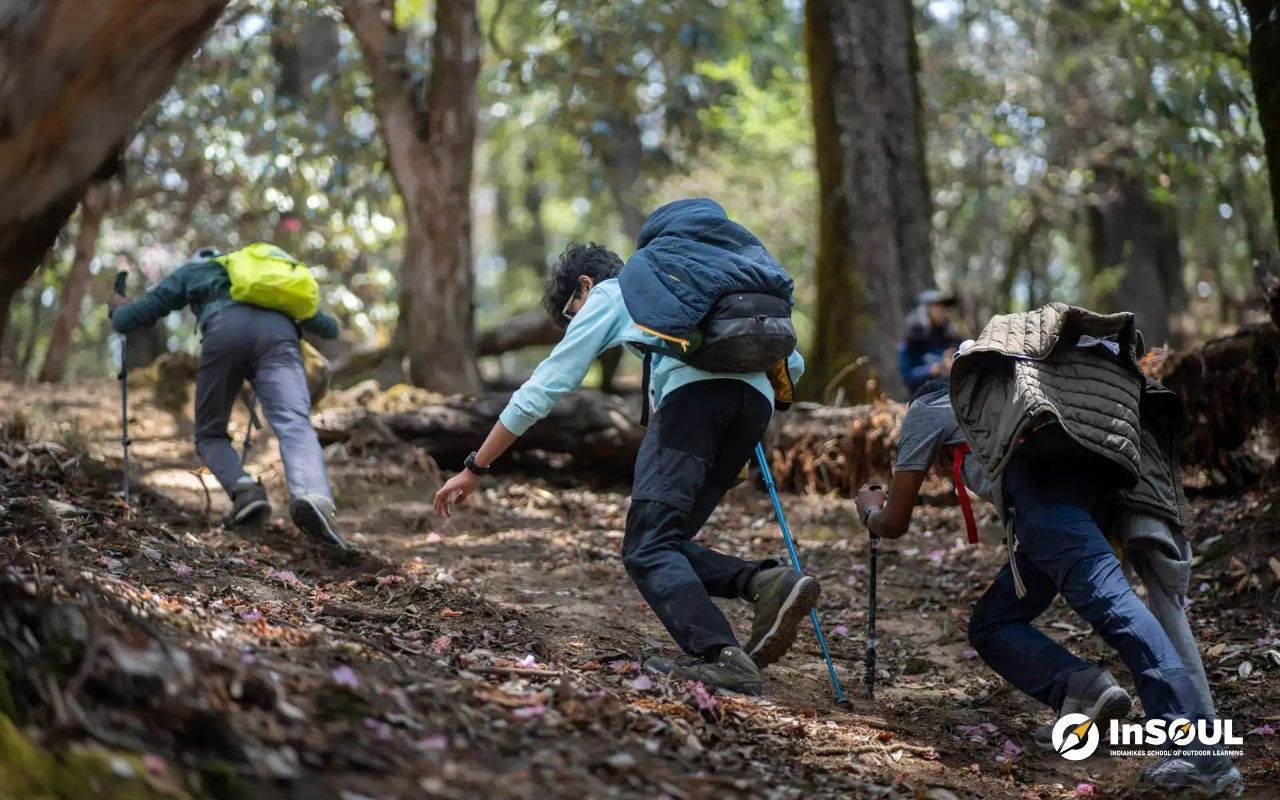
Photo credits: Harshitha Polathula, Content Writer at Indiahikes School of Outdoor Learning (InSOUL)
Adolescence ItselfIs An Adventure, According To Psychologists
Parts of the brain that manage impulses aren't fully developed until age 25. Psychiatrists point to a few universal truths about the teenage brain; specifically, a deep appetite and biological drive for “novelty seeking.” Teenage brains are wired to crave the dopamine rush that comes with new and risky experiences.
In technical terms, adolescence is a time when the limbic system — the brain’s emotional and reward centre — develops much faster than the prefrontal cortex, the region responsible for rational thinking and self-control.
In everyday terms, this translates to teenagers acting first and thinking about the consequences later.
Powered by brains that thrive on rewards (peer approval, for instance) and avoid immediate consequences (like embarrassment) adolescence is both exciting and chaotic — a time of bold exploration and big missteps.
Outdoor learning is ideal to channel a teenager’s need for novelty. Here are 3 compelling reasons why:
Healthy risk-taking through adventure
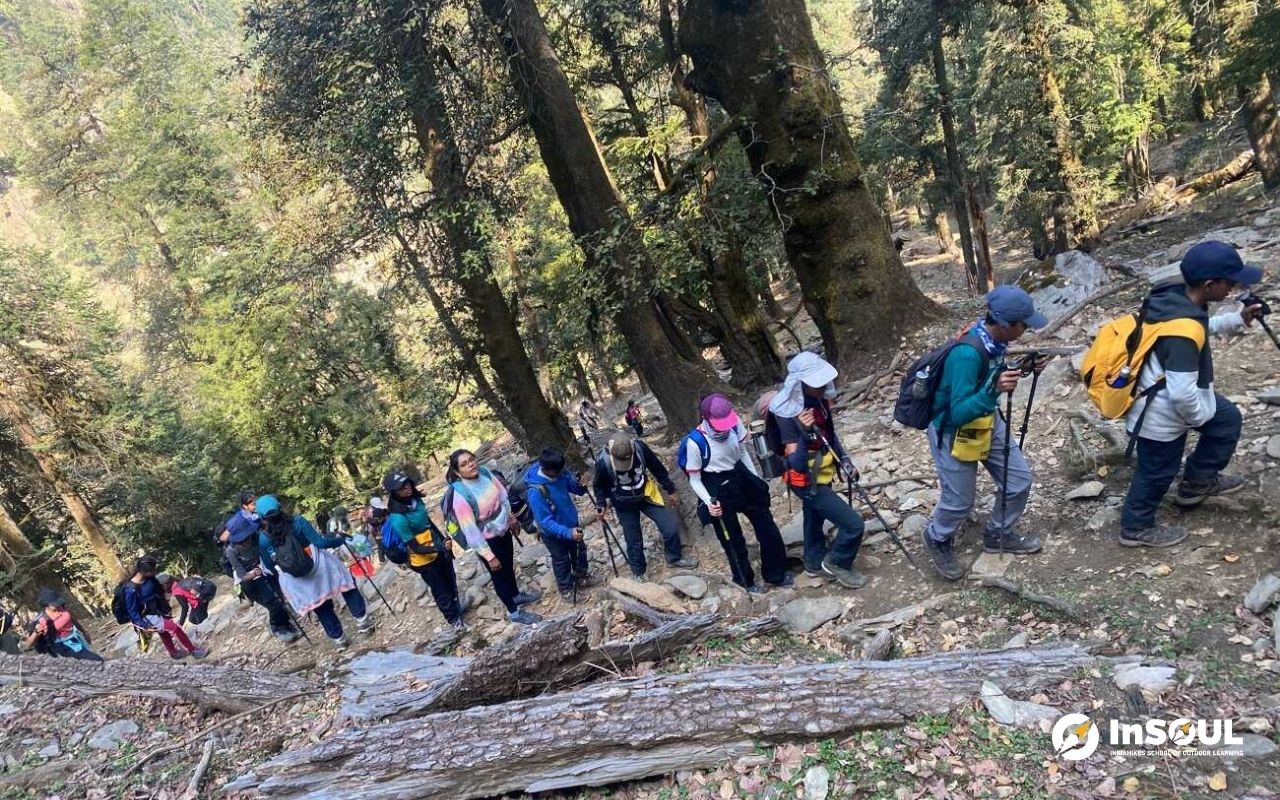
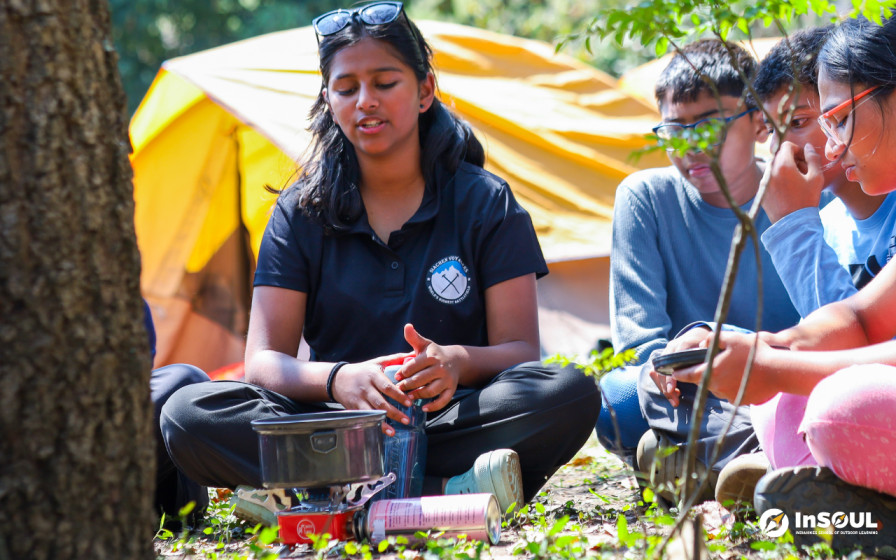
Trekking in the wilderness hits the sweet spot. Adventure naturally caters to and satisfies teenagers' risk-taking needs. On an InSOUL programme, for example, treks might be structured but they are highly adventurous – fun with a thrilling element of risk.
Teens are free to explore and experience risk without being unsafe. Trekking safely channels their need for healthy exploration and independence.
The comfort of belonging
A need to belong shapes most of their choices, and teens naturally look to their peers (not adults) for meaning and connection.
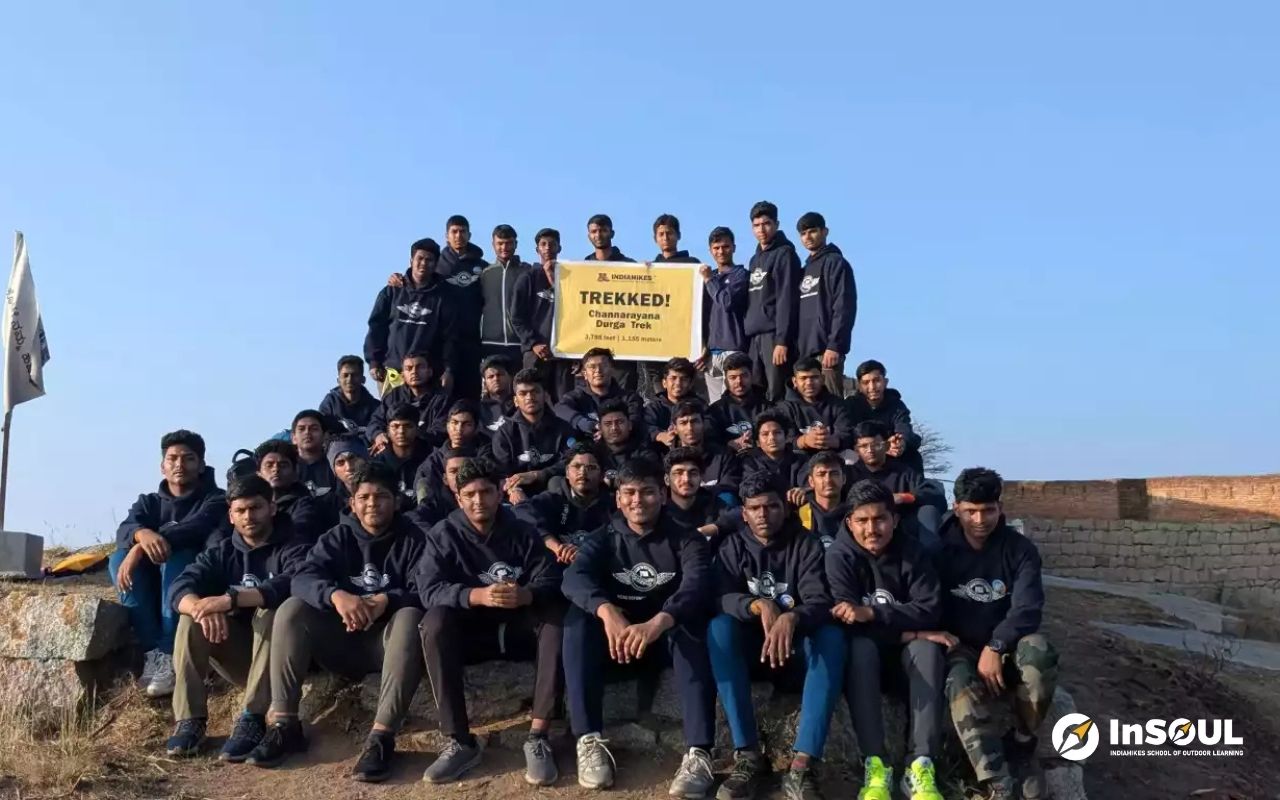
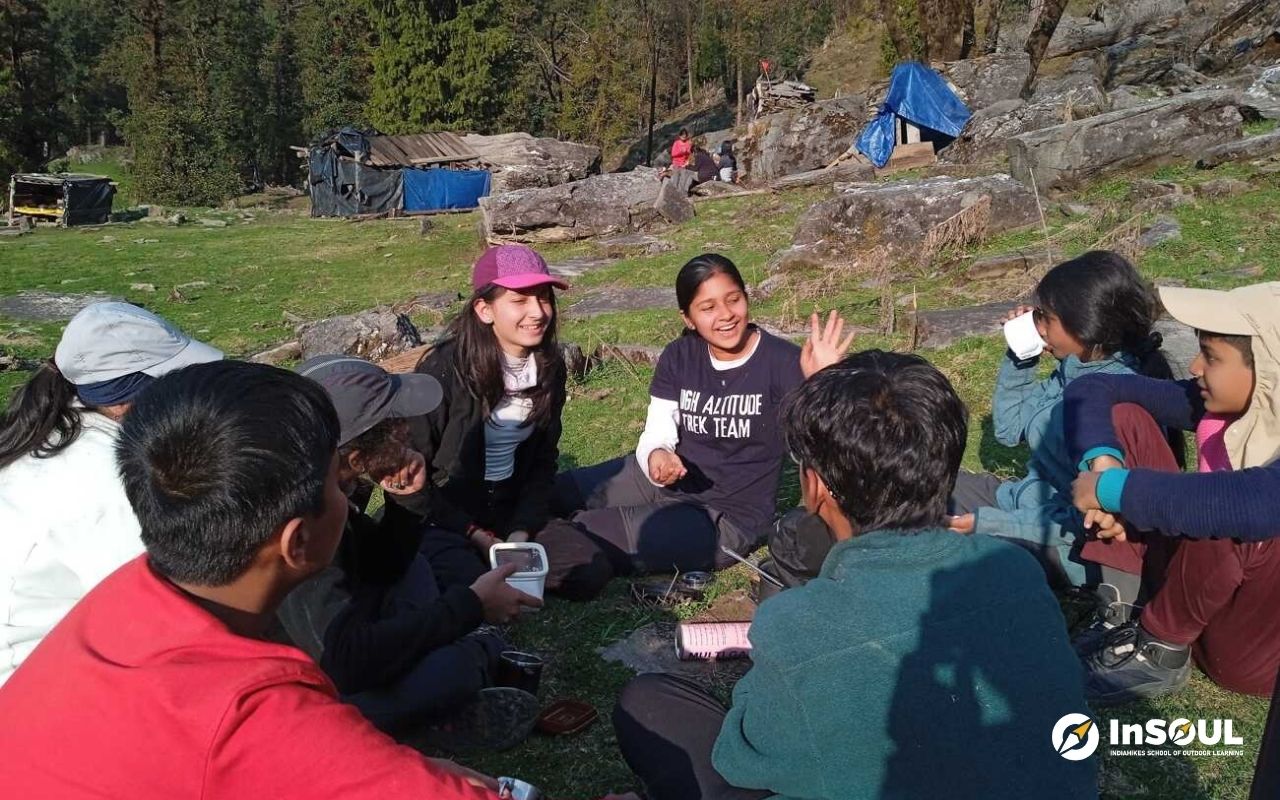
Adventuring in the outdoors gives teens what they crave most — connection and acceptance from people their age. Surrounded by peers who get them in an unstructured environment, adolescents feel valued, capable, and part of something bigger.
The chance to grow without the dangers of unsupervised experimentation
The impulsiveness of adolescence co-exists with an incredible capacity for creativity and problem-solving abilities. The combination of risk-taking and advanced thinking aids their growth. When outdoors, teenagers have the space to discover who they are and what they stand for.
Photo credits: Arjun Singh, Summer Camp volunteer
Teenagers’ raw energy needs guidance in the right direction. Adults need to encourage safe but exciting experiences that feed their need for novelty without putting them in harm’s way.
If we don’t, they are likely to find their own outlets, which may be far less healthy.
Outdoor adventures meet teenagers where they are, with opportunities that make the most of this extraordinary stage of life.
Janusa Sangma
February 22, 2025
BLOG
Discover, Learn and Get Inspired
IIM Bangalore and IIM Lucknow back from their successful Himalayan Mountain Challenge
Students from IIM Bangalore braved sub-zero temperatures and icy winds on a Himalayan trek, where endurance, teamwork, and trust in the process defined their success.
Why Short Treks Can Make a Big Difference to Team Synergy
How a 24-hour team-building trek with Indiahikes helped the Palo Alto team build trust, overcome fears, reconnect with nature, and strengthen bonds beyond the workplace.




.png)


