Why Your Students Can (And Should) Drink Stream Water While Trekking
“Stream water is dirty. Can you get bottled water for our students?”
Bottled water usually tops the list of requests we receive from schools since it seems like the safest choice. But is it, really?
Bottled water would make sense only in dodgy locations where you have no access to filtered water; not while trekking in the Himalayas.
We’d like to debunk the myth that stream water is dirty with a simple question.
Would you rather drink water from the purest source (the Himalayas) or “pure” water packaged and shipped from far-off factories?
Drinking from mountain streams is the better and safer choice. We break down the reasons why in this article.
What is stream water?
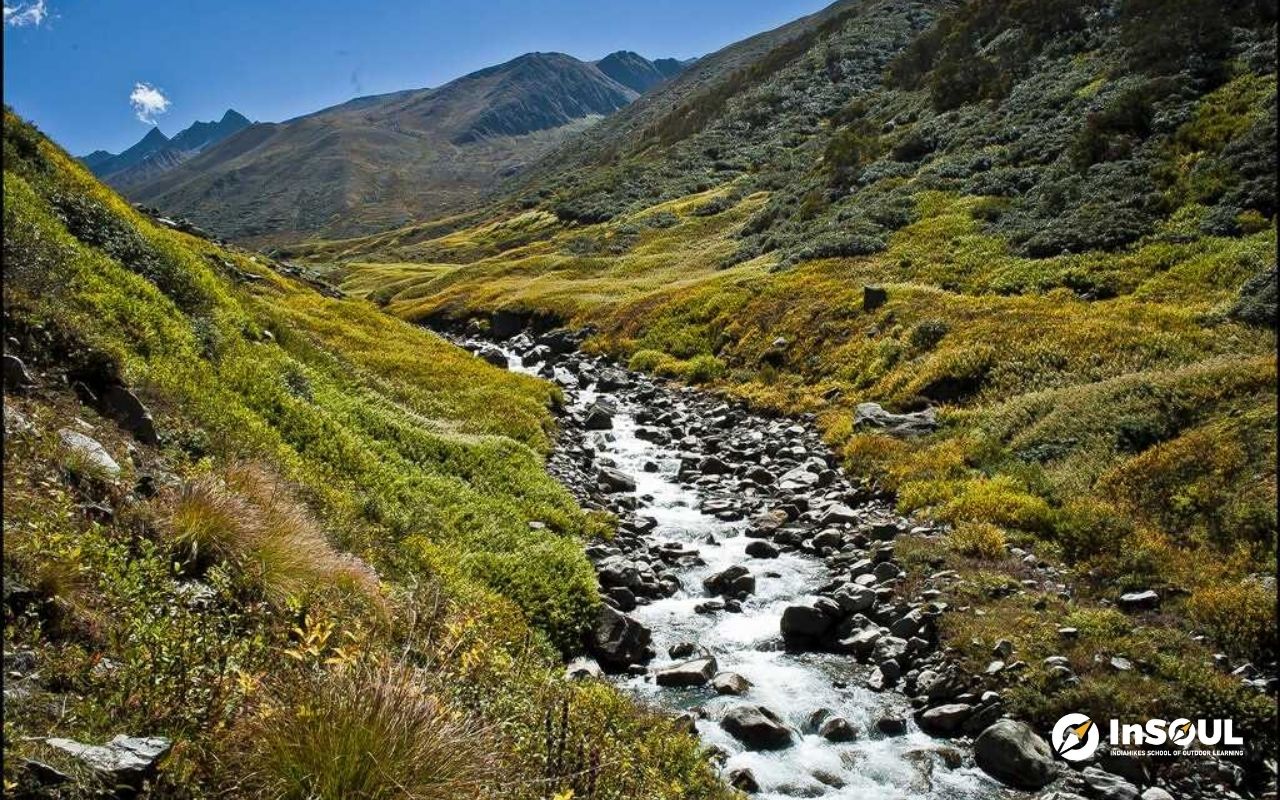
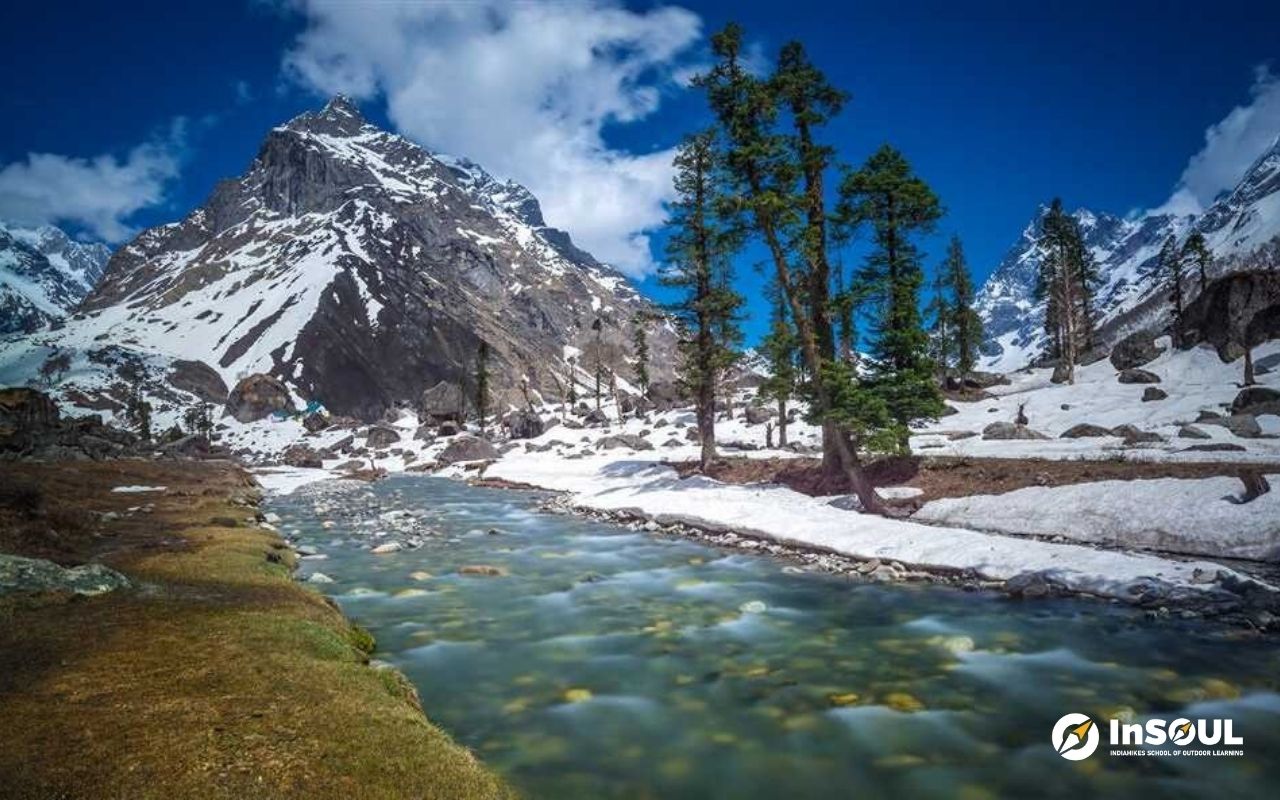
Himalayan streams come from snowmelt or glacial runoff - water that’s been filtered through rock, soil, and time. The water is cold, fresh, and untouched by cities, sewage, or factories. The higher the altitude, the purer the water.
The pristine waters of the Thamsa river on the Har ki dun trek. Photo by Anirban Banerjee
What is bottled water?
Bottled water is tap water from municipal water supply sources which goes through additional filtering. What you’re paying for isn’t purity; you pay extra for packaging and clever marketing.
Bottled water isn’t better
Bottled water is treated tap water, stored in plastic for months. Studies have shown that many bottled brands contain microplastics or chemical residues.
Bottled water is continually exposed to heat during transportation from the plains, and even on the shelf in stores. This can cause bottles to leach harmful chemicals into the water over time.
Carrying crates of bottled water up a mountain is unnecessary. It adds to the load (porters and mules) and leaves mountains of waste behind.
Did you know that plastic bottles take a minimum of 500 years to decompose? We think we’ve done our bit by discarding bottles in a dustbin, but they typically end up in landfills.
For perspective, during the period January 2024 to December 2025, the Indiahikes team collected a whopping 6605 kilos of waste from the mountains.
How we ensure safe drinking water on InSOUL treks
We follow strict protocols to ensure that water is managed safely and responsibly on our treks.
Drinking water comes from two main sources on a Himalayan trek: campsites and streams along the trail.
At campsites, it is standard practice to fetch water from a higher point, away from where people are. Water is either boiled or purified before being used in the kitchen or for drinking.
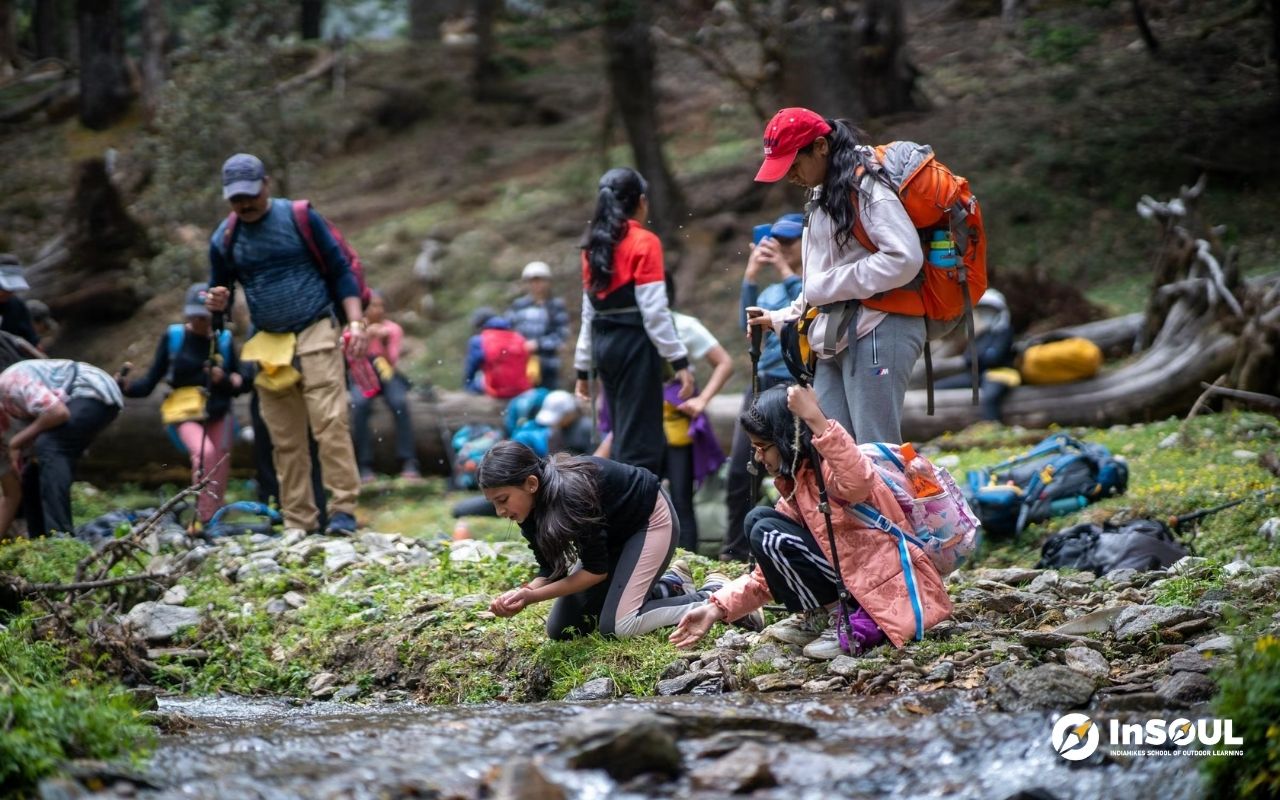
While on the trail, children can safely refill water from flowing streams. The water from flowing streams is clear and fresh. The trick is to prevent disturbing the stream flow while filling up water bottles.
For added precaution, consider carrying small filtration devices that you can pop into your bottle of water.
Trek organisations everywhere rely on natural streams for water, unless the terrain is dry; then we carry water from the last available source.
The stream water is often cold beyond measure. It teaches the students ways of dealing with discomfort. Photo by Vishnu S
Drinking Stream Water Helps Children Think Differently
The bigger opportunity here is learning. When children drink stream water, they begin to ask smarter questions:
Where does the water I drink come from? Is it clean?
What would happen if streams in the mountains dried up? Who is responsible for that?
The awareness of how to live with nature instead of against it is one of the most profound takeaways from a trek, and it starts with drinking water from a stream.
You can often hear the stream gurgling minutes before you actually see it. The experience of walking towards it calms your heart. It makes you one with the forest. Photo by Akshay Aralikatti
The sensory experience
Above all, nothing compares to the sensation of dunking your face in cold water after an arduous climb. It is one of the highlights of any trek.
Summing up
Contrary to perception, stream water on a trek doesn't mean cutting corners. Stream water ensures you make smarter, safer, more sustainable choices for yourself and the environment.
Janusa Sangma
June 24, 2025
BLOG
Discover, Learn and Get Inspired
Nalapad Academy’s First Trek to Minchukallu Betta: Discovering Nature, History, and Adventure
Students from Nalapad Academy set out on their first trek to Minchukallu Betta — a journey that turned from an adventurous climb into a fascinating lesson on the land’s geology, history, and deep connection to Bengaluru’s roots.
What To Do Outdoors With Children When You Don’t Know What To Do – Preschool And Kindergarten
This article speaks about simple, creative outdoor activities that help preschool and kindergarten children learn essential concepts like colours, letters, shapes, and patterns while developing motor skills and a deep connection with nature.
A practical, honest guide for schools new to trekking—covering terrain, altitude, weather, gear, remoteness, and why carrying your own backpack, sharing tents, and going off-network turn a Himalayan trek into a powerful learning experience for students.