CAS plays an important role in the International Baccalaureate (IB) Diploma Programme that is designed for students aged 16 – 19. CAS is organized around the three strands of creativity, activity, and service.
It is designed to strengthen and extend students’ personal and interpersonal learning and develop skills such as problem-solving, cooperation, critical and creative thinking.
A trek with InSOUL offers a CAS experience across all three strands:
Creativity
Creativity on an InSOUL trek is experienced as thinking, expressing, and innovating in real situations, not just as artistic output.These experiences help students understand creativity as an ongoing process of reflection, expression, and responsible action.ActivityThe Activity strand is fulfilled through sustained physical engagement, preparation, and perseverance over multiple days.
- Pre-trek preparation includes:
- Planning and organising trekking gear
- Designing a personal fitness plan
- Preparing nutritious, non-packaged snacks for the journey
- On the trek, students are physically and mentally engaged through:
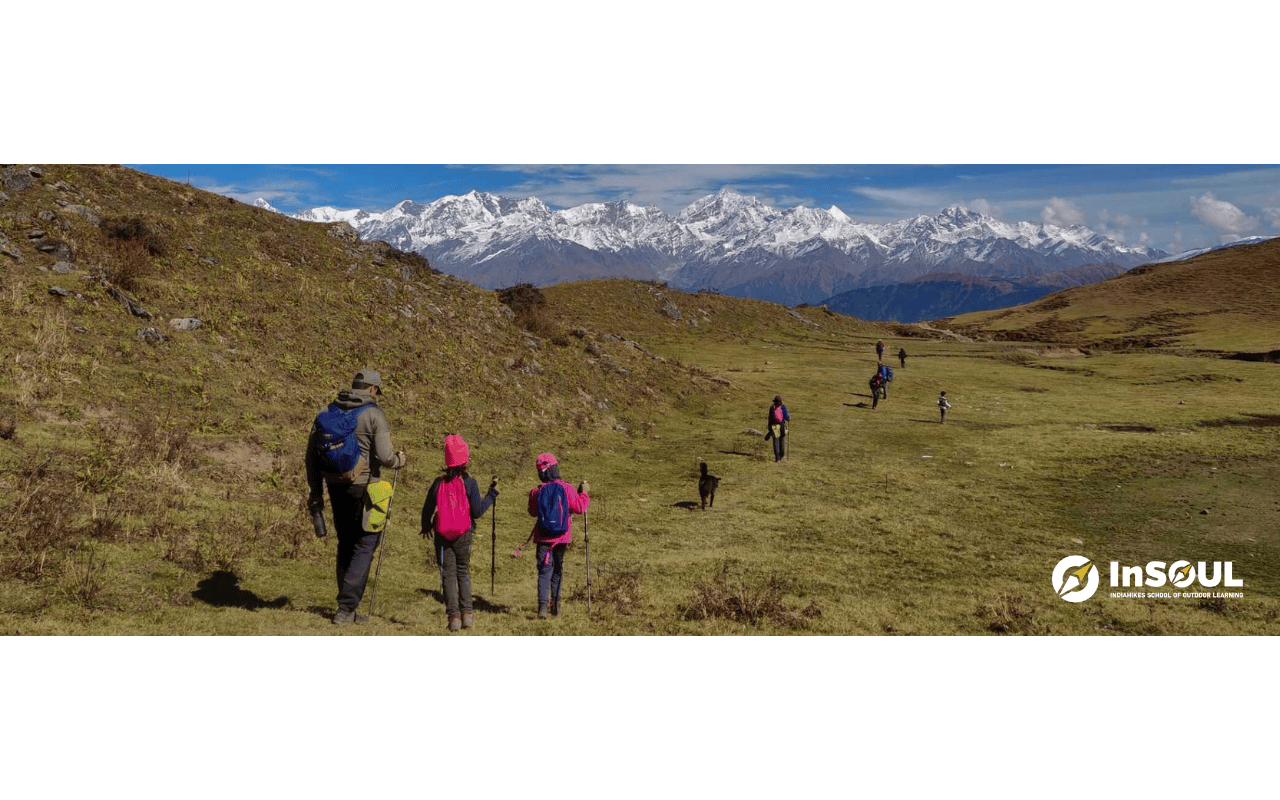
- Trekking long distances across varied Himalayan terrain
- Carrying their own backpacks
- Navigating trails and managing pace
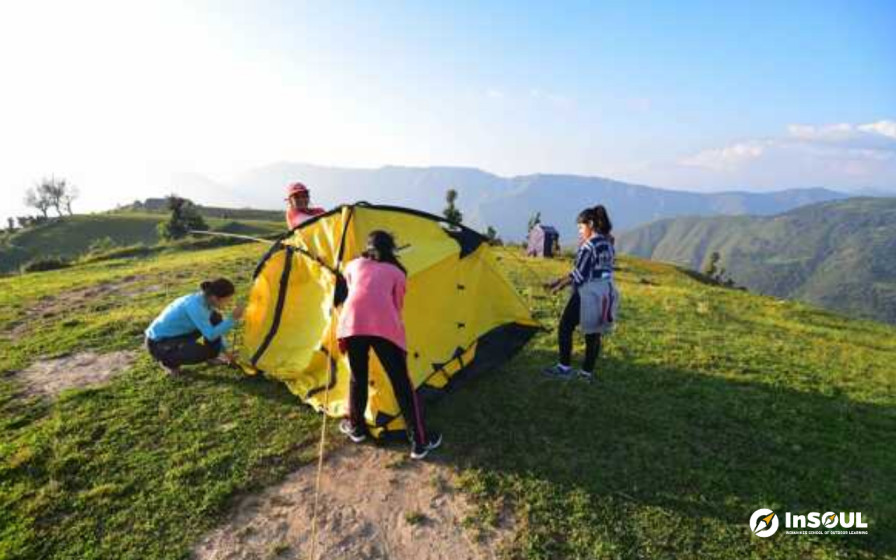
- Setting up and dismantling campsites
- Cooking meals outdoors with limited resources
- Each day follows a clear cycle of:
- Planning the day’s route and responsibilities
- Executing tasks collaboratively
- Reflecting on physical, emotional, and mental challenges at the end of the day
- These sustained activities build endurance, resilience, self-determination, and confidence, helping students recognise their strengths and areas for growth.
Service
Service on an InSOUL trek is rooted in authentic engagement with environmental and social responsibility.
- Through Green Trails, students:
- Use eco-bags to collect litter left behind on mountain trails
- Segregate waste post-trek
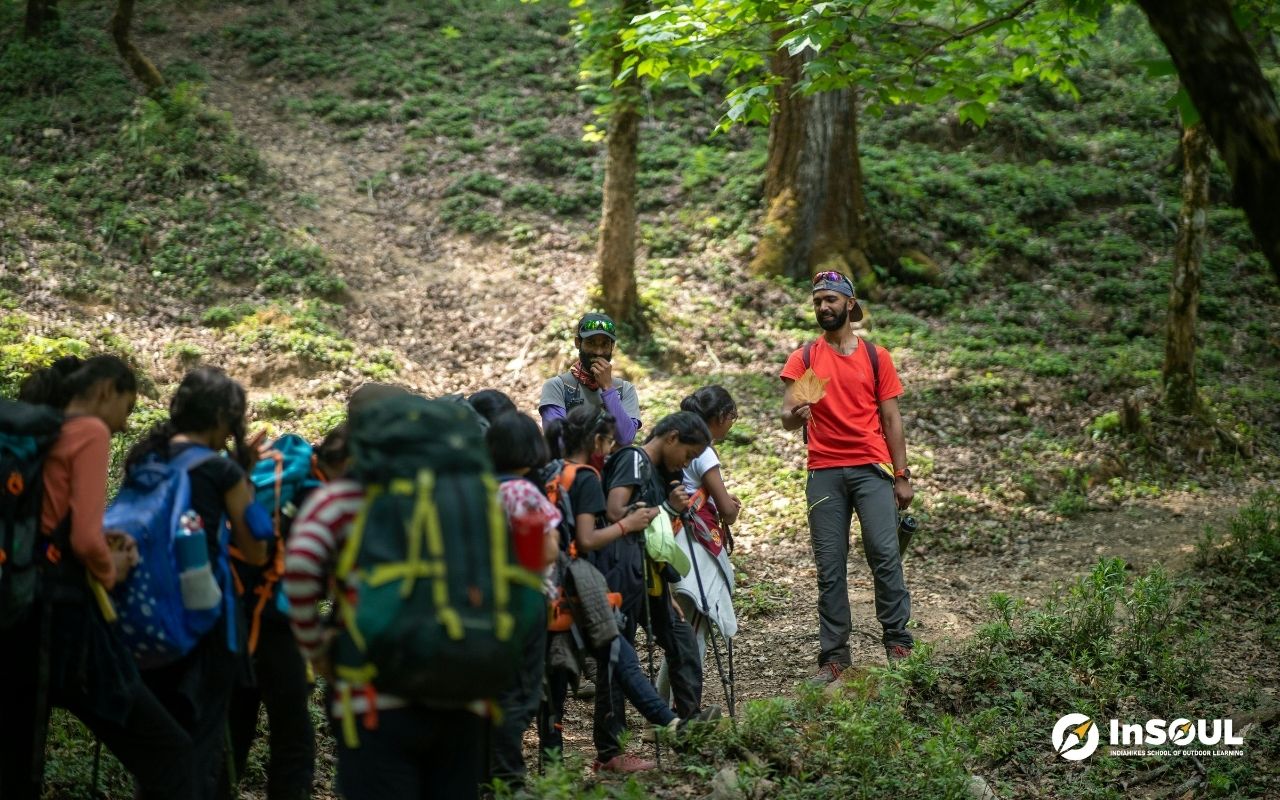
- Engage in guided discussions on plastic pollution, consumerism, and human impact on fragile ecosystems
- Students practice care-based service within the group by:
- Looking out for one another’s physical and emotional wellbeing
- Assisting with daily health check-ups and hydration reminders
- Supporting teammates through difficult moments on the trail
- Community engagement includes:
- Performing sustainability-focused skits at village schools, playgrounds, or community spaces
- Interacting respectfully with local communities and gaining insight into life in remote Himalayan villages
- These experiences encourage students to reflect on the ethics of their choices and actions, both individually and collectively.
Service
Service is experienced not as a one-time task, but as responsibility, empathy, and conscious action.
Outcomes:
- Students engage in daily problem-solving, adapting to changing terrain, weather, group dynamics, and limited resources.
- Through the Green Trails initiative, students collect non-biodegradable waste on the trail and later use this material for upcycling projects, designing functional or creative products.
- Students reflect on their experiences through journaling, supported by prompts that encourage self-awareness and critical thinking.
- Learning and reflection are expressed creatively through:
- Art and illustration
- Poetry and storytelling
- Drama, skits, and song
- Photo stories and short videos
- Students conceptualise and perform interactive skits on sustainability and environmental protection, strengthening creative confidence and communication skills.
- Informal evening sharing sessions, often under the stars or in the common dining tent create space for spontaneous expression and collective reflection.
Learning Outcomes
The trekking programme enables students to demonstrate all seven IB CAS learning outcomes:Recognize and consider the ethics of choices and actions
Students critically examine the consequences of personal and collective choices, particularly regarding environmental impact.
- Identify own strengths and develop areas for growth
Students recognise personal abilities, limitations, and emerging strengths through daily challenges.
- Demonstrate that challenges have been undertaken, developing new skills
Trekking, outdoor living, leadership, and environmental service present unfamiliar challenges that foster skill development.
- Demonstrate how to initiate and plan a CAS experience
From pre-trek planning to daily execution, students articulate and engage in the full planning cycle.
- Show commitment to and perseverance in CAS experiences
Multi-day treks require sustained effort, regular participation, and emotional resilience.
- Demonstrate the skills and recognize the benefits of working collaboratively
Students experience first-hand the challenges and rewards of teamwork in high-dependence environments.
- Demonstrate engagement with issues of global significance
Environmental conservation, sustainability, and responsible consumption are addressed through direct action and reflection.
Details of the Programme
The Program is divided into 3 parts: Preparation for the trek; The actual trek; Post- trek activity.
Preparation
Once a school signs up with us we first have an initial consultation with the CAS coordinator so as to align our thoughts on the objectives of the program and how to take it forward.
The preparation involves physical and mental readiness to do the trek. The school needs to take responsibility to ensure the students are fit to trek and have all their trek gear in place.
The Actual Trek
Selection of the trek: We always select a slope that is suitable for first-time trekkers. At the same time, it will have all the rigours of a Himalayan trek. Another criterion is a base village where we have already initiated environment-related activities in coordination with the local community or where the potential to start new projects exist.
What happens from the start to the end:
- Day 1: This is the day when students make the long breathtakingly beautiful journey from either Dehradun or Rishikesh to the base camp of the trek.
- Day 2:The actual trek begins after a visit to the base village. After reaching the first campsite students rest, have lunch and start campsite activities. The day ends with circle time and reflections.
- Day 3: Trek to the next campsite followed by the rest of the activities as on day 2.
- Day 4: This is the day when students usually climb to the summit of the trek. It’s an exhilarating experience and the reflections take on a different note.
- Day 5: This is the day to descend back to base camp. Students have a new spring in their step with the surge of self- confidence but a wistfulness in their eyes as they know they will be leaving soon. This evening there is a review of the environmental activities that were woven into the trek. Learning and experience are shared.
- Day 6: Drive back to the nearest airport or railway station.
There is personal time each day, apart from group reflections, where all are encouraged to spend meaningful time with themselves. Some may write their diaries, poems, sit in silent contemplation or walk around.
Post – trek
This activity takes place in school. Students write and present their reports in accordance with the guidelines given to them.
For further information please write to insoul@indiahikes.com.