Channarayana Durga Trek - A Student's Essay
A Class 10 student reflects on her experiential learning trek to Channarayana Durga, and how trekking built confidence, awareness, and lifelong lessons.

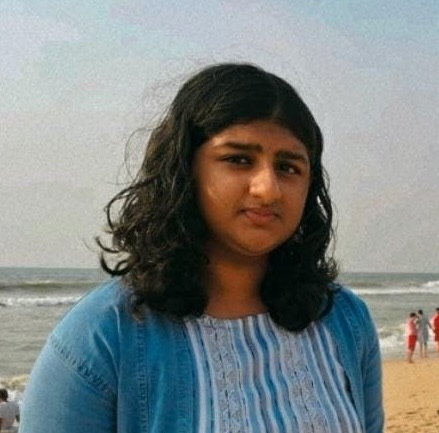
This essay was written by Neha Karpagavel , a 10th standard student from PSS School after her three day experiential learning programme at Channarayana Durga.
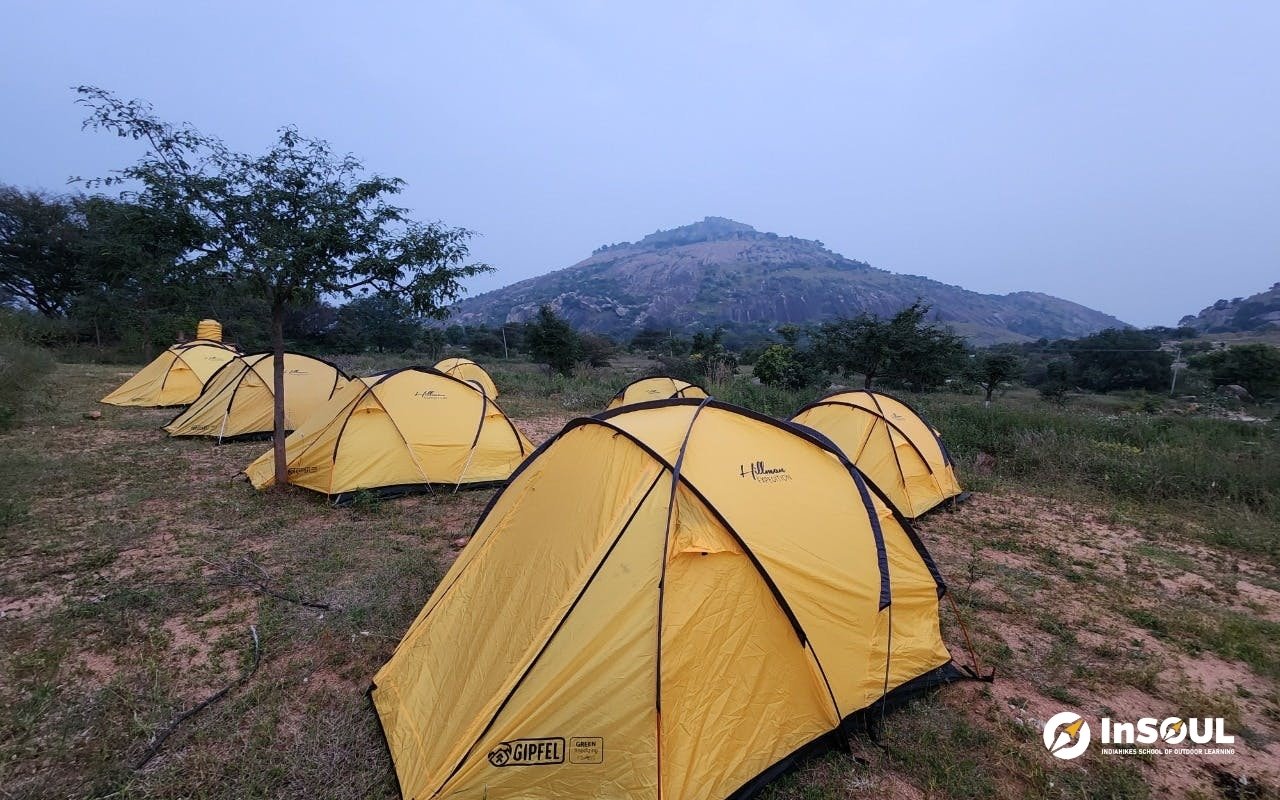
I still remember when my tent-mates and I first stepped into our tent, feeling doubtful that we could make it. Living without the comforts of an urban home seemed impossible at first. But, spoiler alert—we did it. We made it through, safe and sound, and returned with a deeper appreciation for everything we have back here.
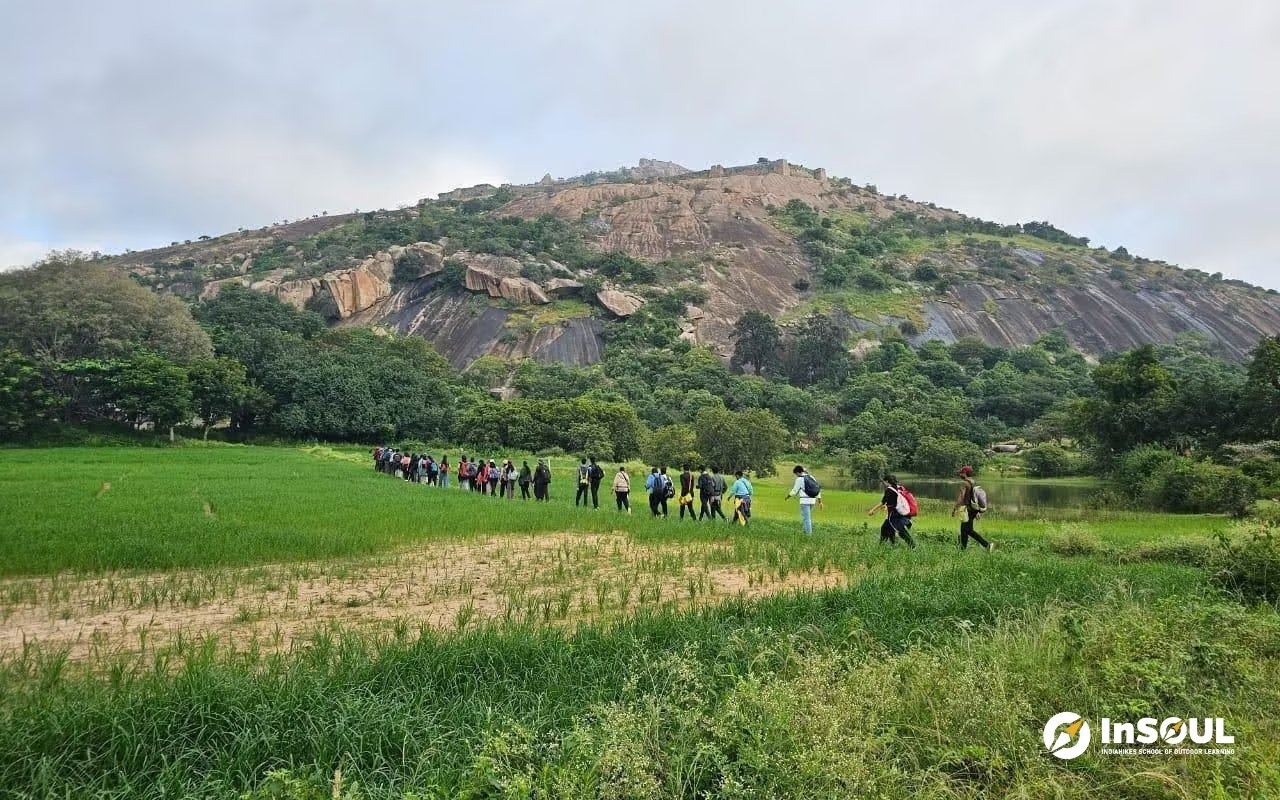
We were set to trek Channarayana Durga, a stunning mountain range with an impressive height of 3,730 feet. When I first learned that this was the hill we would soon climb, my heart skipped a beat, wavering in doubt about whether we could do it.
The rest of the first day was spent engaging in various activities. One thing the team emphasized was reflection—reflecting on our activites to ensure that we returned to our cities having learned something meaningful, not just having had fun. My favorite activity, however, was stargazing. After a night walk, we were treated to an incredible view of the night sky. In all my fifteen years, I had never seen so many stars. Everywhere I looked, I could spot stars, satellites, and even a few planets. We then applied our knowledge of these celestial bodies, learning to differentiate between them and identify the four cardinal directions. It made me realize how light pollution has affected the urban night sky, robbing us of the privilege of seeing such brilliant stars.

The second day was what we had all been waiting for: the trek. After an early morning breakfast with a stunning view of the sunrise, we set off. The first part of the trek was the steepest and the hardest. After just a few minutes, we stopped for rest and hydration.
Though only a few admitted it, we were all thinking the same thing—if we were already tired after barely starting, how would we ever make it to the summit?
Each time we reached a high point to rest, we thought there couldn’t possibly be a higher one or a better view. Yet, every time, there was. And every time, we doubted whether we could make it any further, but we always did.

In those moments of doubt, our teachers and trek leaders pushed us beyond what we thought were our limits. Words cannot describe how their encouragement moved us—literally—up a mountain. Even among the students, there were some who could climb with ease, but none of them focused on being the first to the summit. We all understood that trekking was a team effort; the stronger trekkers helped the rest.
Throughout the trek, I couldn’t help but see it as a metaphor for life. Every single step taught me something—not just about trekking, but about life itself. When I realized how much harder it was to climb with a heavy backpack, it struck me that in life, too, carrying emotional burdens—like grief or trauma—makes it difficult to move forward.
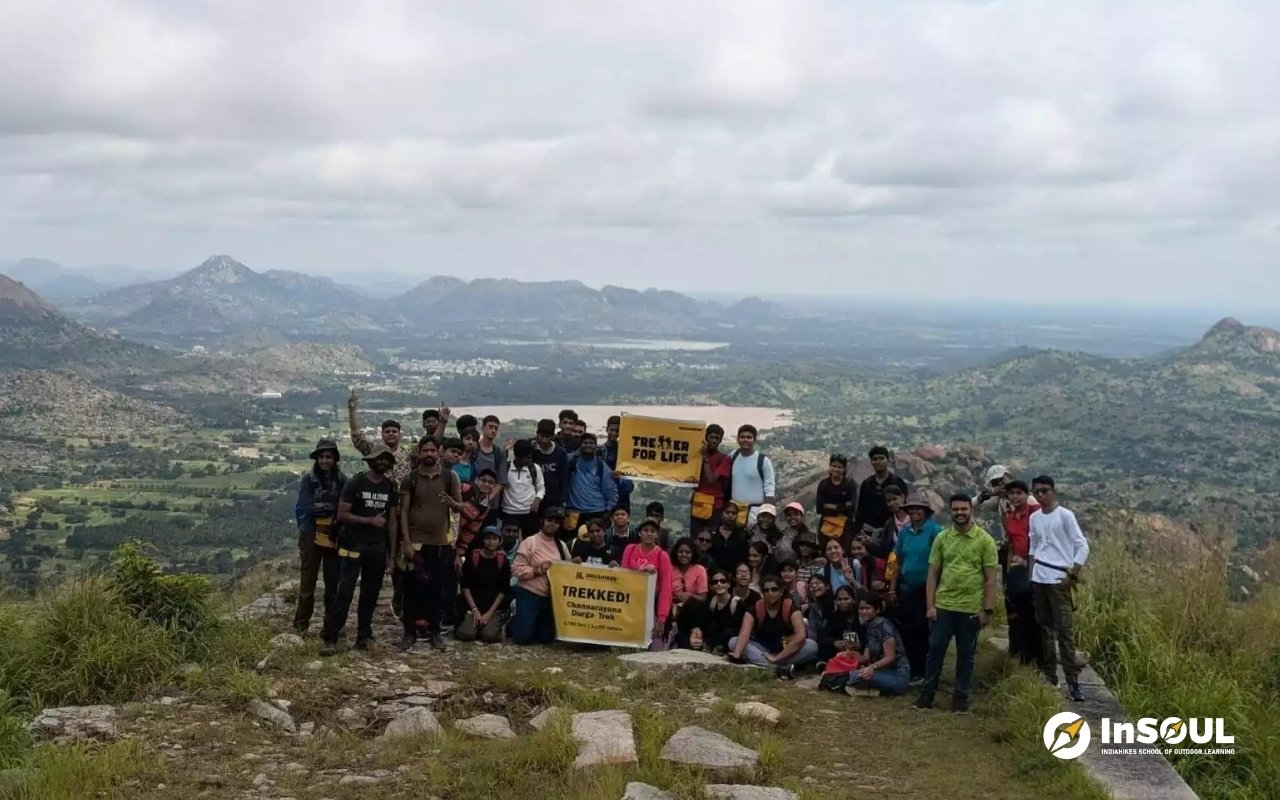
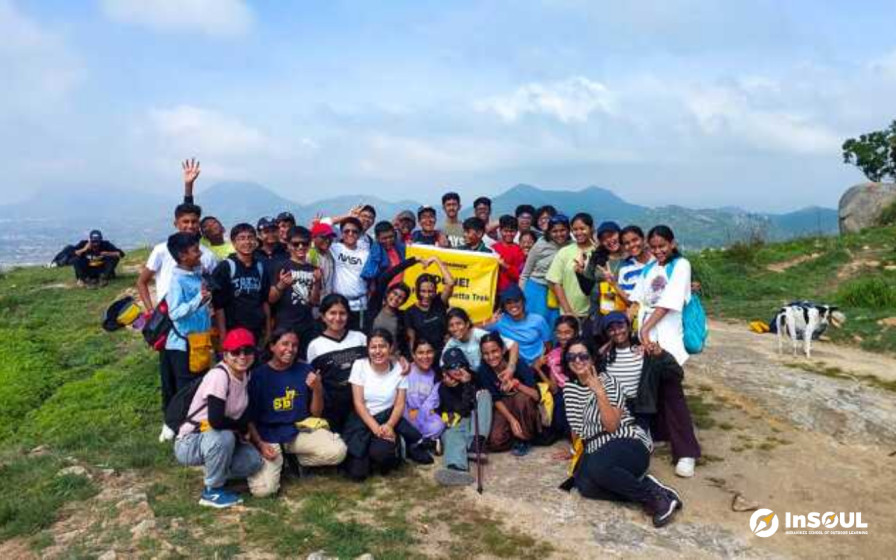
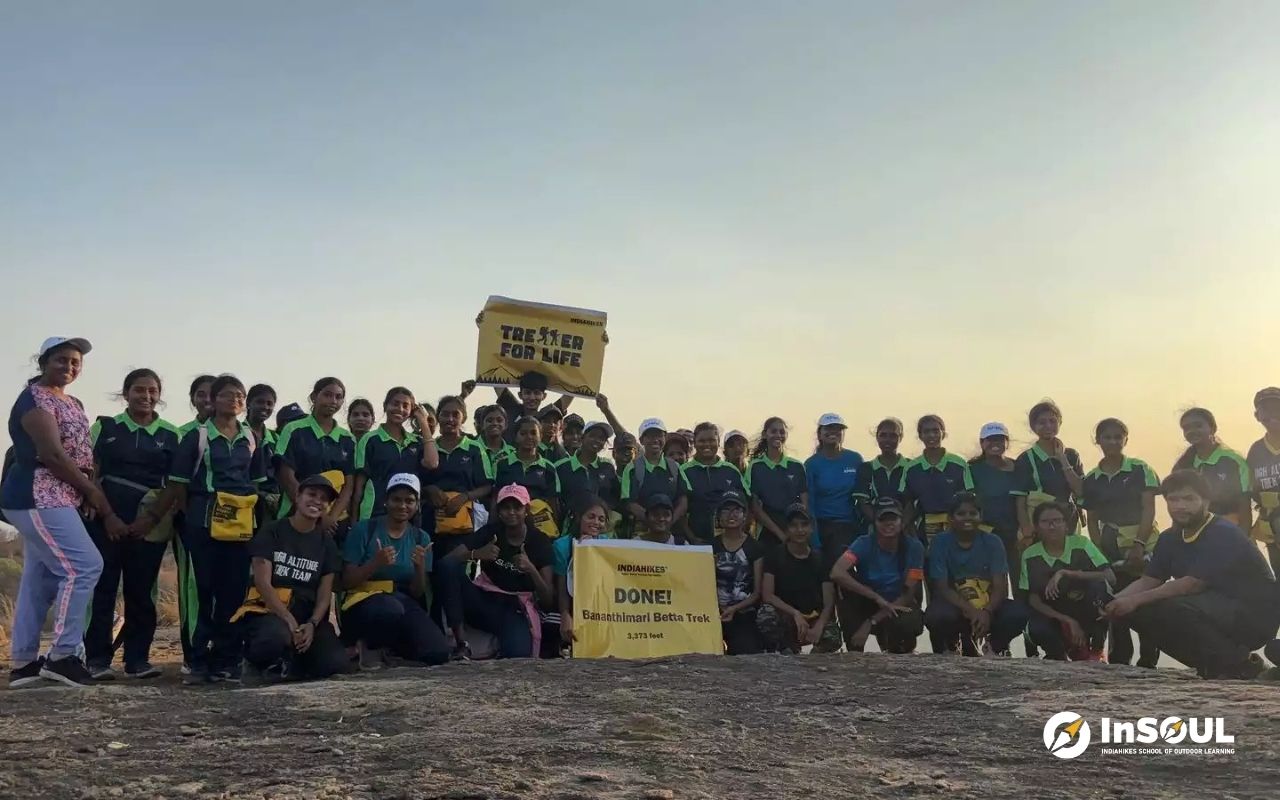
It took us a solid three hours to ascend, and when we reached the peak, we were exhilarated. Many of us felt an overwhelming sense of pride for accomplishing something we once thought impossible. We gained newfound confidence in our bodies, doing things we never imagined, and the joy that came with it was indescribable.
After spending time at the fort on the summit and visiting a lake nestled in the mountain, we began our descent, which also took about three hours. Surprisingly, the descent was just as challenging, if not more so, as we were directly facing the steep drop, forcing us to confront our fear of heights.
.jpg)
The trek was undoubtedly an amazing learning experience, but much of my growth happened when we weren’t trekking. Our phones were collected and kept away from us on the first day, and although we complained at first, in hindsight, I wouldn’t have asked for anything better. It enhanced the experience many times over, allowing us to truly enjoy the views with our own eyes, not through a screen.
The rest of the day was spent engaging in various activities, followed by a climb up a much smaller hill to watch the sunset. After a lot of hiking, bouldering, and rock climbing, we returned to our tents, greeted by a beautiful downpour.
On the third day, we woke up relatively late and visited a serene lotus pond. The pond was breathtaking, surrounded by trees full of weaver bird nests. We were grateful to be there in the right season, witnessing the birds building their nests. Later, we wrote postcards to ourselves—a reflection and keepsake that made the experience even more meaningful. We then picked up trash around the area, realizing how much harm humans inflict on the nature that nurtures us. It made me more mindful of the waste we generate every single day.
In conclusion, the memories and lessons from this trek will last a lifetime. I hope to carry at least some of these lessons into my daily life.
By: Neha Karpagavel, X-C